do raccoons live in cypress trees
And can be found from the Southern states to places in Canada and Alaska. However raccoons do not make long-term homes in the branches of trees.
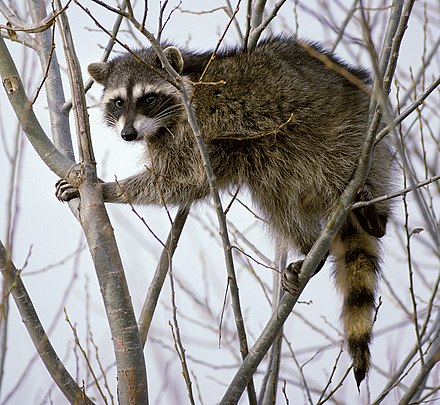
Raccoon Wikiwand
Raccoons live in tree cavities within a short distance of water.

. Raccoons cannot sleep on the top of trees they can only sleep and live in hollow nests created at the base or trunk of such trees. As well as this tree hollows are a lot safer from predators when compared to other locations. They like any place where they can hide and feel secure and enclosed.
Do Raccoons Sleep In Trees. Do raccoons live in cypress trees Wednesday June 1 2022 Edit During the mating season they gain beautiful feather plumes that extend from the back to beyond the tail for. The raccoon r ə ˈ k uː n or US.
Like us they also require water shelter and food sources to occupy any habitat. Most raccoons seem to prefer sleeping in large holes in trees or hollow parts of fallen logs. Its grayish coat mostly consists of dense underfur which.
Besides trees they also make their dens in many other places such as in attics under fallen logs and in dense brush. Raccoons are one of the most widespread animals in North America. Christopher Columbus wrote about raccoons and is the first person known to do so.
During the day this wildlife will climb the tree to get a safe place to rest and sleep. R æ ˈ k uː n Procyon lotor sometimes called the common raccoon to distinguish it from other species is a mammal native to North AmericaIt is the largest of the procyonid family having a body length of 40 to 70 cm 16 to 28 in and a body weight of 5 to 26 kg 11 to 57 lb. A tree is a suitable place for a raccoon to live but its nothing compared to your basement or attic.
Raccoons change dens frequently sometimes moving on to a new den every night. Raccoons are smarter than cats but less smart than monkeys. Raccoons prefer to stay in places with a source of water nearby and plenty of tree cover.
A cornered raccoon can become aggressive and. These nocturnal solitary mammals have a population that spans vast amounts of North America. In the wild raccoons generally enjoy living in hollow trees near rivers or other bodies of water but theyre also highly adaptable and will live in urban and suburban areas such as parks farms and even peoples backyards.
They thrive in a temperate climate. However they usually prefer living in floodplain forests marshes and hardwood swamps. Raccoon from the Algonquin Indian arakun has the meaning he scratches with hands.
Rather they love to climb trees to rest or hide away from their enemies. Yes its not uncommon for raccoons to live in trees. Whether inside your home or hanging around your yard these wild animals pose health risks for you and your.
However they are also adapted to various urban and suburban settings and you will find evidence of these animals everywhere. These mammals are able to climb and are sometimes seen in trees leading some to wonder Do raccoons live in trees The answer is no except in cases where a den is located inside a hollowed tree. They also find shelter in abandoned cars attics crawl spaces barns and sheds.
Contrary to rumors raccoons do not live in trees. Get StartedOr Call281 783-3089. Yes raccoons can often be found in tree holes and hollow trees.
The raccoons prefer to sleep in. They may rest in the branches temporarily and keep a lookout for prey. A raccoon can rotate its hind feet 180 degrees to enable it to climb down headfirst from trees.
But they are mostly found living near ponds in moist woodlands. Blog - Problems Raccoons Can Cause For Cypress Homeowners Raccoons are really smart animals with almost human-like hands which make it easy for them to dig through trash and eat whatever is available to them 281 783-3089 Residential Commercial Pest Library Contact Us Pay My Bill Request Your FREE InspectionToday. Scientists observing the behavior of wild raccoons found that the animals will occasionally live and sleep in trees if.
While raccoons can climb trees they do so because it helps them to find sustenance and escape from predators. Normally they den in abandoned holes of trees and attic of urban houses. Since they have sharp claws raccoons in trees mark up the bark as they climb.
You may have seen a raccoon asleep on a tree branch but they will use this only for short periods of rest. Raccoons are very adept climbers and have many reasons for climbing trees. Raccoons do live in trees but only in hollowed-out areas or crevices.
Raccoons live in North America and the northern portion of South America. A raccoon may live in a tree one night and relocate to a cozy spot in your attic the next night. You might have seen them resting in trees during the day.
How raccoons live is actually quite different from what most people think. A raccoons natural habitat is in forested regions near water sources such as rivers or streams where they can find. As exceptional climbers raccoons make use of their sharp claws to quickly scale trees.
Raccoons are only likely to settle into a tree hole if they have food sources nearby. Nevertheless raccoons dont live in trees. A hollow in the tree trunk on the other hand provides a superb place for a raccoon to.
Resourceful wildlife often discover this and look for ways to enter your home. They dont provide them with enough shelter from predators or the weather. The ideal regions where raccoons can create nests are regions with small stands of Timber trees especially those close to vegetation of corns and vegetables.
Because they are primarily nocturnal raccoons during the day will be resting. They are not arboreal animals that actually live in treetops but instead these climbing skills help them temporarily get into a better. September 15 2021.
Tree branches are not denning areas for raccoons. They only seek shelter in hollow trees and sometimes nest in them. In addition raccoons can build a nest in an attic inside a home.
Raccoons may climb trees in order to rest safely during the day. Do Raccoons Live in Trees. Raccoons are omnivorous in nature thus they can eat.
Due to the fact that raccoons are often found on trees most people are thinking whether or not the animal usually live on trees. They provide them with a small warm dark enclosed space they can keep themselves and their kits safe. Tree hollows are actually some of raccoons favorite denning sites as they provide shelter from predators and the elements so property owners may see adults climbing trunks to their nests.
It features a 18-mile jogging path lined with gorgeous ancient oak trees providing shade as well as a relaxing atmosphere. In a natural environment they make their homes in hollow trees piles of wood or brush and even in unoccupied burrows built by foxes. Raccoons can also live in rock crevices.
You might already know that a raccoon is a great tree climber but youd still like to learn if they sleep in a nest up there or perhaps do something else. But the actual truth is that they do not live or sleep on trees. Raccoons in Trees Do Raccons Live in Trees.

Trademark Fine Art Everglades Raccoon Canvas Art By Ron Parker Walmart Com Canvas Art Trademark Fine Art Artist Canvas

Can Raccoons Live In Trees In Your Yard Blog
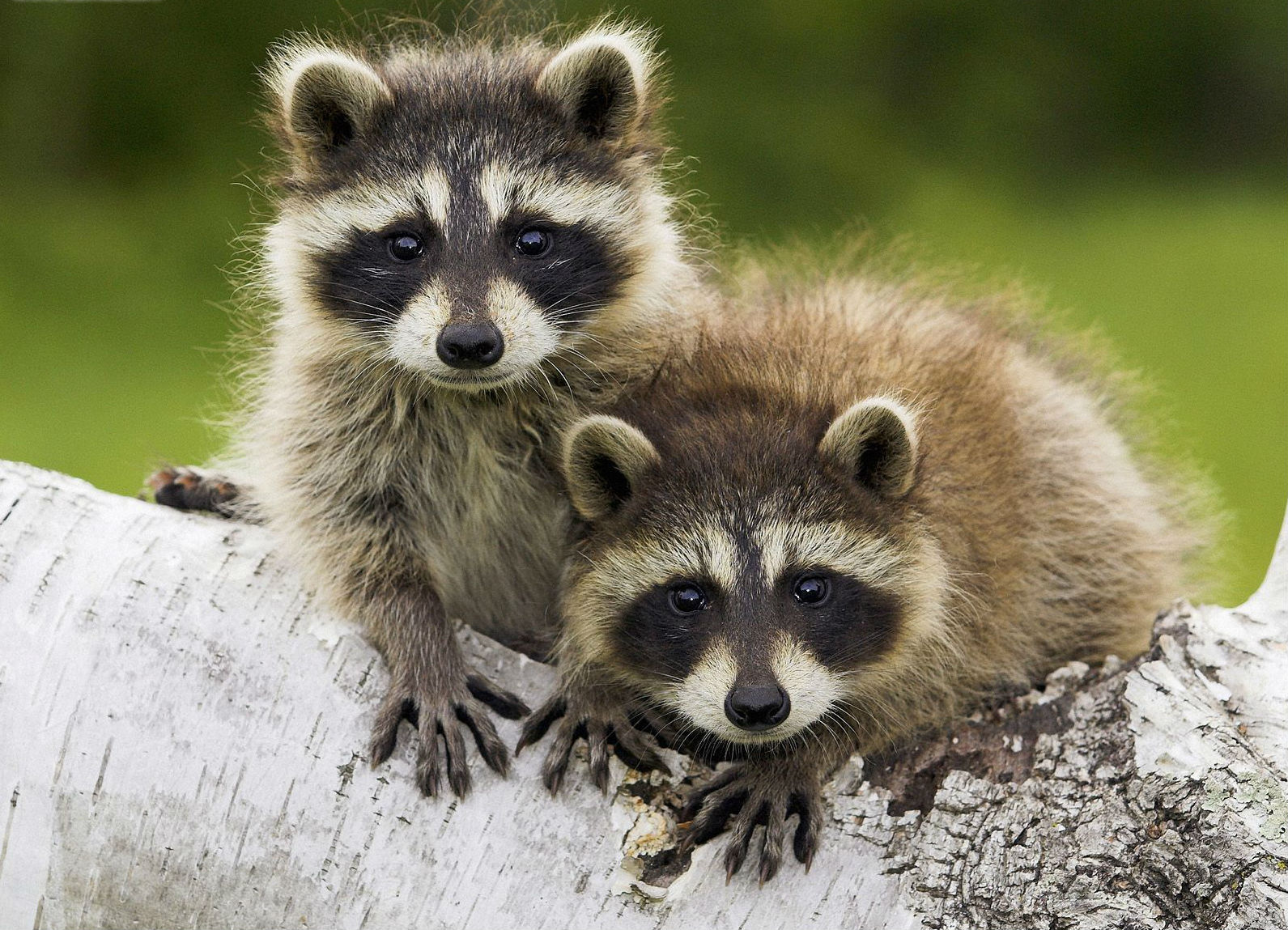
Getting Rid Of Raccoons The Tree Center

Where Do Raccoons Live Wildlife Informer

Where Do Raccoons Live Wildlife Informer

Italian Cypress Cupressus Sempervirens Stricta Probably In The Mediterranean Italian Cypress Trees Mediterranean Landscaping Landscaping Trees

Where Do Raccoons Live Wildlife Informer

Raccoon Mdc Teacher Portal
Tree Hugger Raccoon Floridawildlife Wildlifeaddicts Nikond7100 Neature Cypressswamp Oldflorida Tree Hugger Cypress Swamp Cat Whisperer
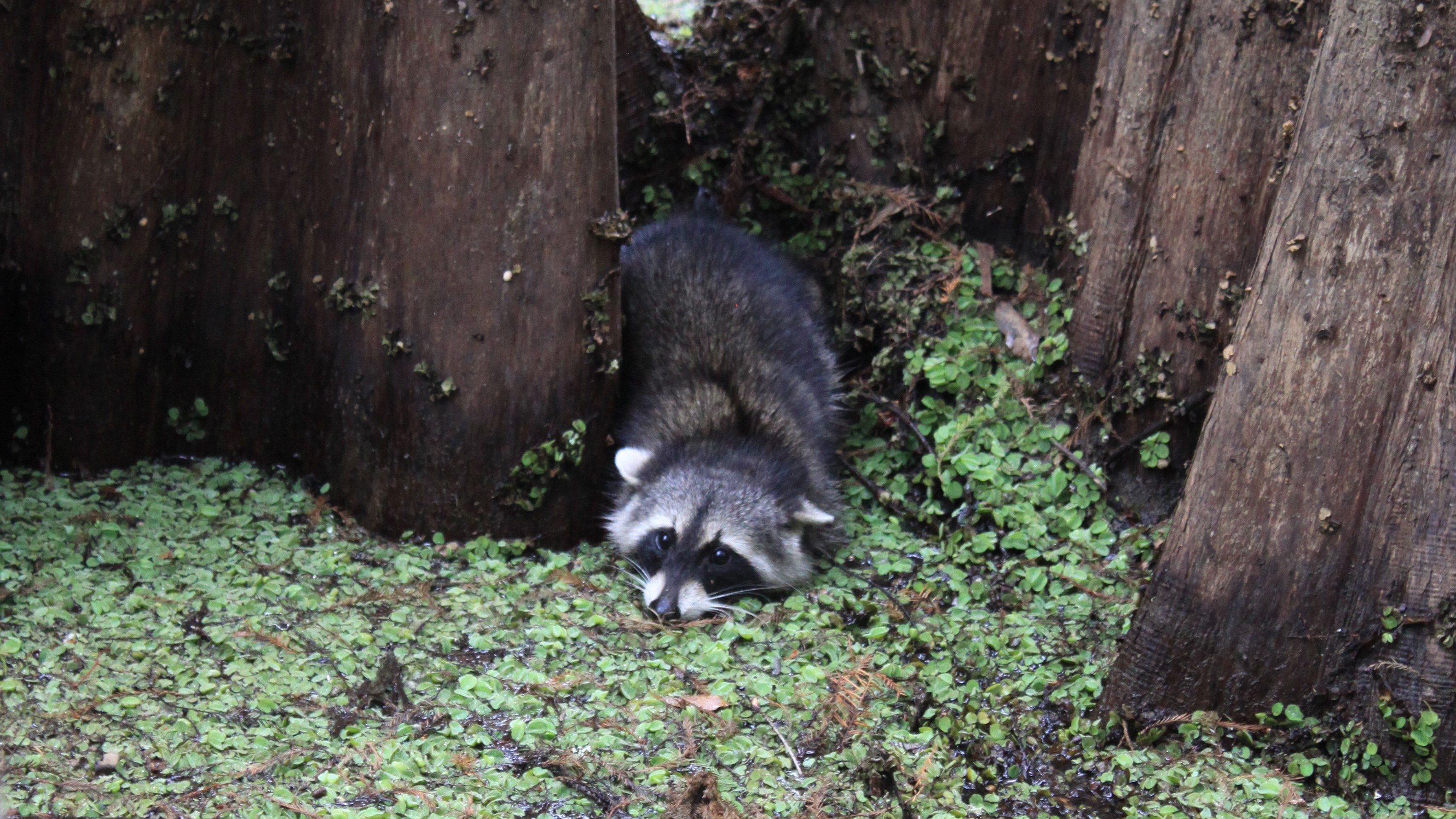
Raccoon Big Thicket National Preserve U S National Park Service
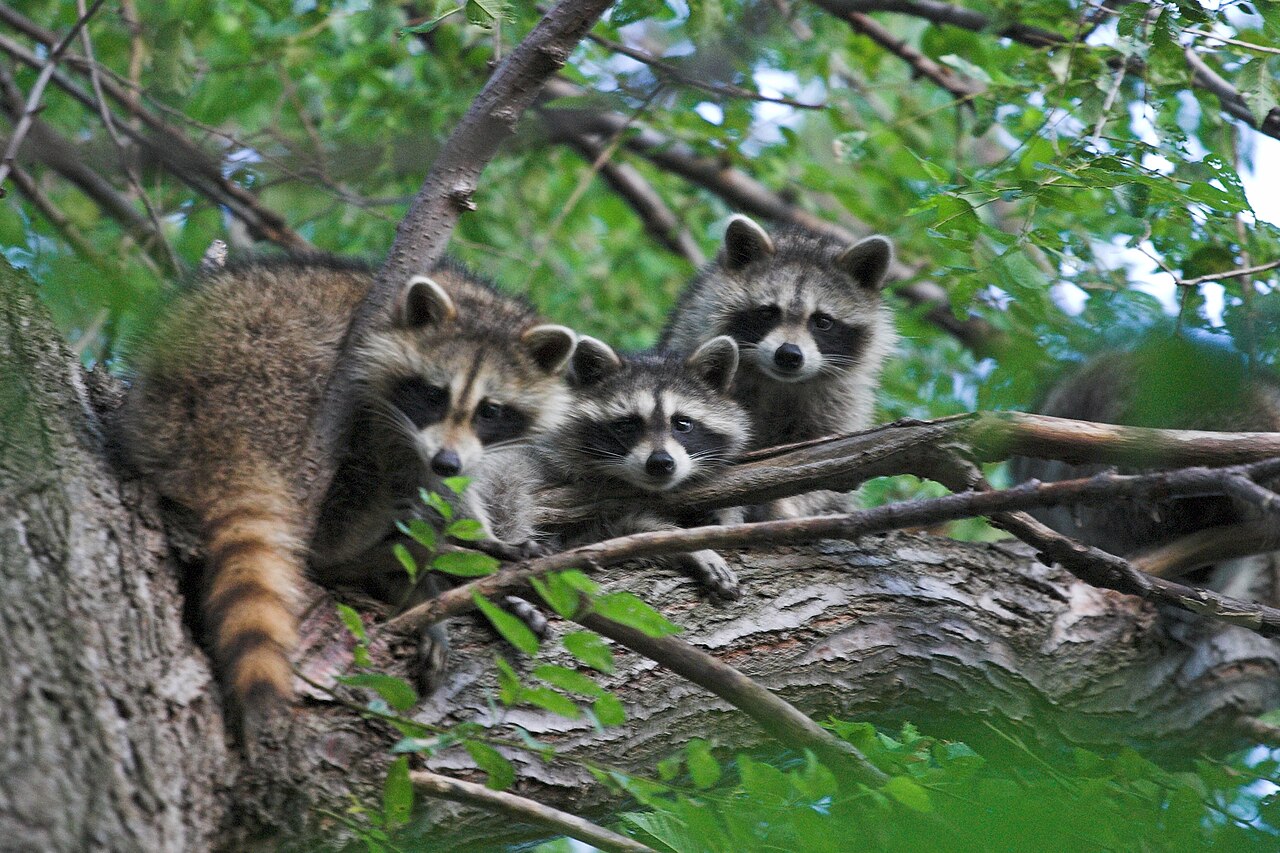
Raccoon Wikiwand
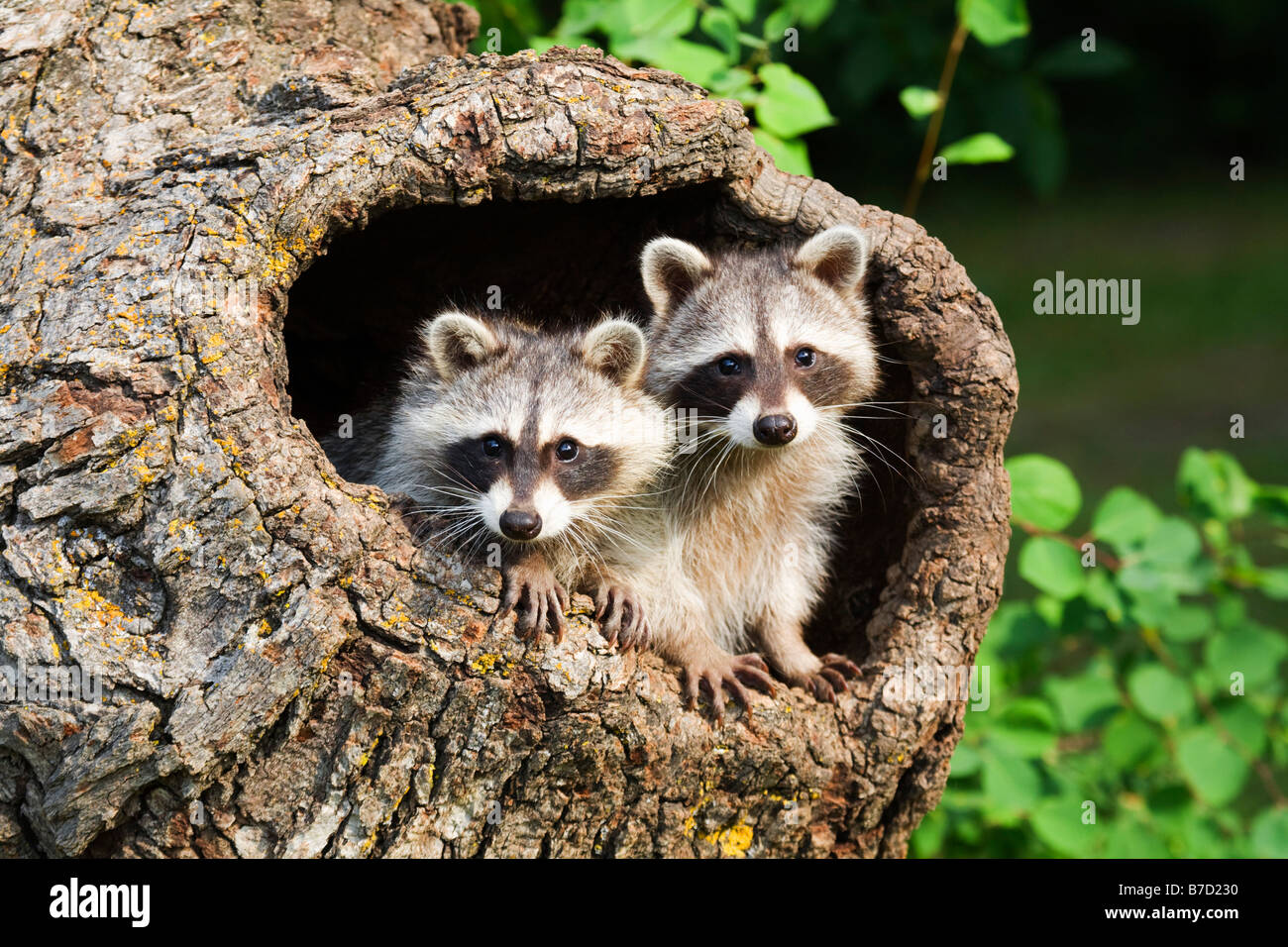
Raccoon In Tree Stump High Resolution Stock Photography And Images Alamy
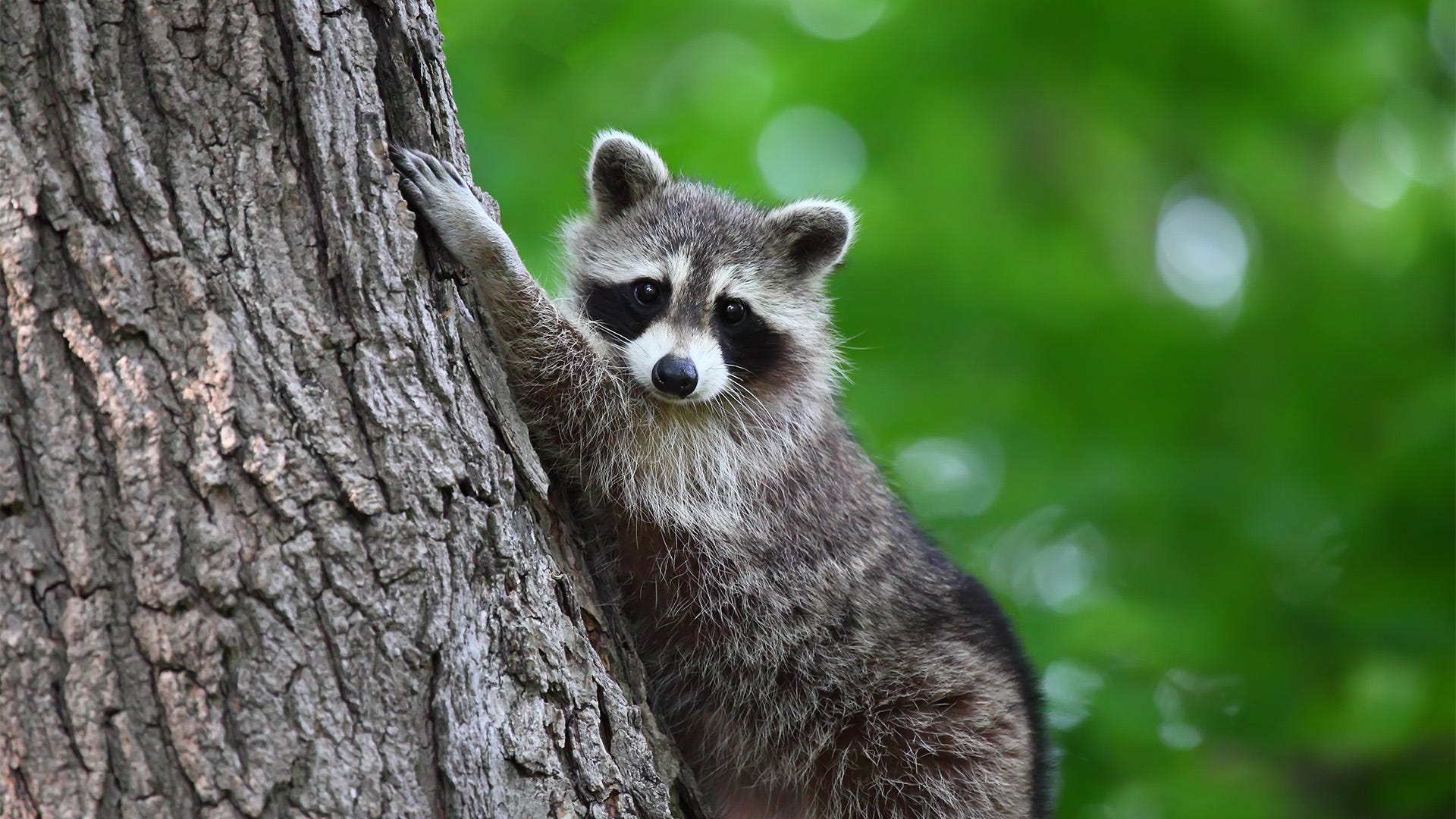
How To Keep Raccoons Out Of Your Yard
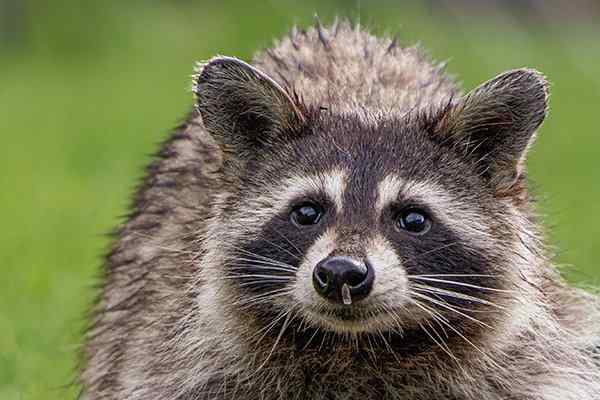
Blog Problems Raccoons Can Cause For Cypress Homeowners

Wildlife Mammals Two Baby Raccoons In Tree Murfree Spring Wetlands Baby Raccoon Wetland Raccoon Funny

Raccoons Tree Raccoon Baby Animals Cute Animals

Raccoon Mdc Teacher Portal

Rocky Raccoon By Travels With Charlie Rocky Raccoon Raccoon Forest And Wildlife

3 Unique Ways That Raccoons Can Damage Your Trees Pest Pointers